Buy startachim.eu ?
We are moving the project
startachim.eu .
Are you interested in purchasing the domain
startachim.eu ?
domain@kv-gmbh.de · 0541-91531010
Buy startachim.eu ?
Can battery acid etch plastic?
Yes, battery acid can etch plastic. Battery acid is typically sulfuric acid, which is a highly corrosive substance that can react with and degrade many materials, including plastic. When in contact with plastic, battery acid can cause the plastic to become discolored, deformed, or even dissolve over time. It is important to handle battery acid with care and avoid contact with plastic materials to prevent damage. **
What can formic acid etch away?
Formic acid can etch away various materials such as metals, concrete, and certain types of plastics. It is particularly effective at removing rust and scale from metal surfaces. Additionally, formic acid can also dissolve certain types of minerals and organic materials. However, it is important to use formic acid with caution as it can be corrosive and potentially harmful if not handled properly. **


Similar search terms for Etch
Top-Angebote
Products related to Etch:
-
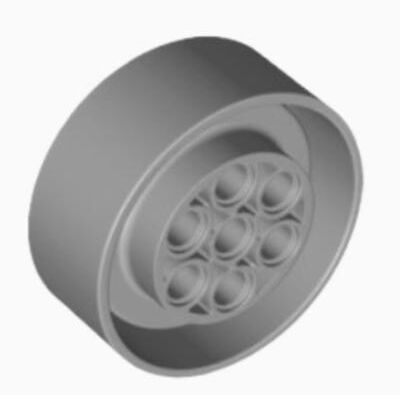
Lush Living Finds Perforated Brick Assembly Toy Accessories With Technology Mechanical Wheels Perforated Brick Assembly Toy Accessories With Technology Mechanical WheelsEnhance Creativity with Technology Mechanical Wheels Unlock the power of innovation with our technology mechanical wheels, designed specifically for perforated brick assembly toy accessories. Whether you are a hobbyist or a seasoned builder, these...43,97 $*Shipping: 0,00 $Secure redirect to the provider
-
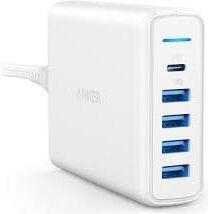
Anker PowerPort 60 W 6-Port Family-Sized Desktop USB Charger with PowerIQ Technology for Smartphones - White, NewThe Anker Advantage: Join the 10 million+ powered by Amazon's leading charging brand. Fast Charging Technology: PowerIQ and VoltageBoost combine to provide the fastest possible charge up to 2.4 amps per port or 12 amps overall (Qualcomm Quick Charge 2.0 not supported. For QC 2.0 charging, please see Anker's 18W USB Wall Charger). Ultra Powerful: 6 ports pump out 60 watts of power, enabling simultaneous multi-device charging. Certified Safe: Anker's MultiProtect safety system and UL certification ensure complete protection for you and your devices. Worldwide 100-240 volt AC input voltage What You Get: Anker PowerPort 6 (60W 6-Port USB Charging Hub), 5ft / 150cm detachable power cord, welcome guide, our fan-favorite 18-month warranty and friendly customer service.. Brand Anker Connectivity technology USB Connector type USB Type C Compatible devices Smartphones, Tablets, Laptop Compatible phone models All Smartphones Included components USB Cable Cable length 5 Feet Special feature Lightweight Design, Travel, Fast Charging Colour White Input voltage 100 Volts49,99 £*Shipping: 0,00 £Secure redirect to the provider
-
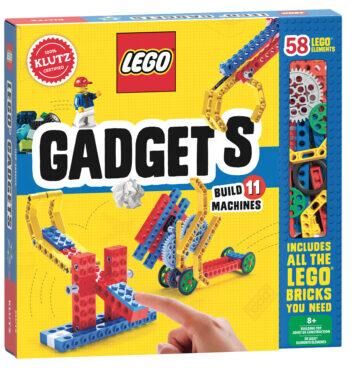
Klutz: LEGO GadgetsThis activity kit will have you building 11 machines including a gravity powered car and a wacky boxing robot. The fun doesn't stop once you've completed all of the projects in the book - open-ended prompts will inspire you to continue experimenting...24,99 $*Shipping: 0,00 $Secure redirect to the provider
-
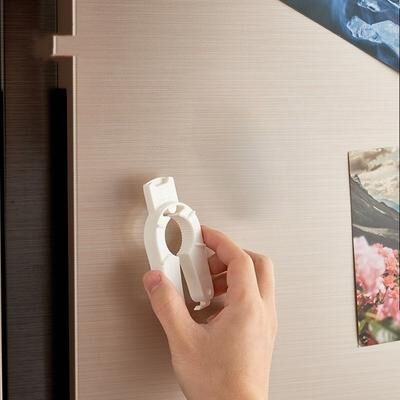
Multisell Products Hub Magnetic Bottle Opener For Household Mineral Water Plastic Beverage Bottles And Cap Opening, Kitchen Accessories Gadgets whiteEffortless Cap Opening for Everyday Kitchens Upgrade your routine with this 1 pcs Kitchen Accessories Gadgets Magnetic Bottle Opener for Household Mineral Water Plastic Beverage Bottles and Cap Opening designed for convenience and comfort. It makes...34,97 $*Shipping: 0,00 $Secure redirect to the provider
-
Which acid is able to etch stone?
Hydrochloric acid is commonly used to etch stone surfaces. It is a strong acid that can dissolve minerals in the stone, creating a rough texture on the surface. This process is often used in stone masonry to create decorative patterns or to prepare the surface for further treatment, such as painting or sealing. However, it is important to use hydrochloric acid with caution, as it can be corrosive and harmful if not handled properly. **
-
How can one etch damask with vinegar essence?
To etch damask with vinegar essence, you can start by diluting the vinegar essence with water in a 1:1 ratio. Next, apply the diluted vinegar essence onto the damask fabric using a brush or sponge. Allow the vinegar essence to sit on the fabric for a few minutes to penetrate the fibers. Finally, rinse the fabric thoroughly with water to remove the vinegar essence and reveal the etched design on the damask. **
-
How can one etch metal or plastic with acid?
To etch metal or plastic with acid, one can start by creating a design or pattern on the surface using a resist material such as wax, tape, or a special etching resist. The resist material will protect the areas that are not meant to be etched. Next, the metal or plastic piece is submerged in an acid solution, such as ferric chloride for metal or hydrochloric acid for plastic, for a specific amount of time. The acid will eat away at the exposed areas, creating the desired design. Finally, the resist material is removed, and the piece is cleaned to reveal the etched design. **
-
What are the best acids to etch steel-hard materials?
The best acids to etch steel-hard materials are strong mineral acids such as hydrochloric acid (HCl) and sulfuric acid (H2SO4). These acids are highly corrosive and can effectively etch hard materials like steel due to their ability to break down the surface of the material. It is important to use these acids with caution and proper safety measures as they can be hazardous to handle. Additionally, a controlled etching process is essential to achieve the desired results without damaging the material. **

Can iron(III) chloride also be used to etch steel?
Yes, iron(III) chloride can also be used to etch steel. It is commonly used in the metalworking industry as an etchant for steel and other metals. The solution of iron(III) chloride reacts with the surface of the steel, creating a roughened texture that can be used for various purposes such as creating a matte finish or preparing the surface for further processing like painting or coating. However, it is important to handle iron(III) chloride with care as it is a corrosive and potentially hazardous chemical. **
How to use distilled water to develop and etch circuit boards?
To use distilled water to develop and etch circuit boards, first mix a solution of distilled water and a developer chemical such as sodium hydroxide or sodium metasilicate. Place the circuit board in the solution and agitate gently to remove the unwanted copper. Rinse the board with distilled water to stop the etching process. Finally, dry the board thoroughly before further processing or soldering components onto it. **
Top-Angebote
Products related to Etch:
-
Abode Homewares Vines Acrylic Etch Stemless Wine Glass - Clear - 14.6 oz - Set of 6Elevate your dining experience with the Vines Etch stemless wine glass set. Crafted from crystal-clear acrylic, these glasses offer stunning, glass-like clarity and are perfect for both the dining room and outdoor dining.35,62 $*Shipping: 0,00 $Secure redirect to the provider
-
Lush Living Finds Perforated Brick Assembly Toy Accessories With Technology Mechanical Wheels Perforated Brick Assembly Toy Accessories With Technology Mechanical WheelsEnhance Creativity with Technology Mechanical Wheels Unlock the power of innovation with our technology mechanical wheels, designed specifically for perforated brick assembly toy accessories. Whether you are a hobbyist or a seasoned builder, these...43,97 $*Shipping: 0,00 $Secure redirect to the provider
-
Anker PowerPort 60 W 6-Port Family-Sized Desktop USB Charger with PowerIQ Technology for Smartphones - White, NewThe Anker Advantage: Join the 10 million+ powered by Amazon's leading charging brand. Fast Charging Technology: PowerIQ and VoltageBoost combine to provide the fastest possible charge up to 2.4 amps per port or 12 amps overall (Qualcomm Quick Charge 2.0 not supported. For QC 2.0 charging, please see Anker's 18W USB Wall Charger). Ultra Powerful: 6 ports pump out 60 watts of power, enabling simultaneous multi-device charging. Certified Safe: Anker's MultiProtect safety system and UL certification ensure complete protection for you and your devices. Worldwide 100-240 volt AC input voltage What You Get: Anker PowerPort 6 (60W 6-Port USB Charging Hub), 5ft / 150cm detachable power cord, welcome guide, our fan-favorite 18-month warranty and friendly customer service.. Brand Anker Connectivity technology USB Connector type USB Type C Compatible devices Smartphones, Tablets, Laptop Compatible phone models All Smartphones Included components USB Cable Cable length 5 Feet Special feature Lightweight Design, Travel, Fast Charging Colour White Input voltage 100 Volts49,99 £*Shipping: 0,00 £Secure redirect to the provider
-
Can battery acid etch plastic?
Yes, battery acid can etch plastic. Battery acid is typically sulfuric acid, which is a highly corrosive substance that can react with and degrade many materials, including plastic. When in contact with plastic, battery acid can cause the plastic to become discolored, deformed, or even dissolve over time. It is important to handle battery acid with care and avoid contact with plastic materials to prevent damage. **
-
What can formic acid etch away?
Formic acid can etch away various materials such as metals, concrete, and certain types of plastics. It is particularly effective at removing rust and scale from metal surfaces. Additionally, formic acid can also dissolve certain types of minerals and organic materials. However, it is important to use formic acid with caution as it can be corrosive and potentially harmful if not handled properly. **
-
Which acid is able to etch stone?
Hydrochloric acid is commonly used to etch stone surfaces. It is a strong acid that can dissolve minerals in the stone, creating a rough texture on the surface. This process is often used in stone masonry to create decorative patterns or to prepare the surface for further treatment, such as painting or sealing. However, it is important to use hydrochloric acid with caution, as it can be corrosive and harmful if not handled properly. **
-
How can one etch damask with vinegar essence?
To etch damask with vinegar essence, you can start by diluting the vinegar essence with water in a 1:1 ratio. Next, apply the diluted vinegar essence onto the damask fabric using a brush or sponge. Allow the vinegar essence to sit on the fabric for a few minutes to penetrate the fibers. Finally, rinse the fabric thoroughly with water to remove the vinegar essence and reveal the etched design on the damask. **
Similar search terms for Etch
-
Klutz: LEGO GadgetsThis activity kit will have you building 11 machines including a gravity powered car and a wacky boxing robot. The fun doesn't stop once you've completed all of the projects in the book - open-ended prompts will inspire you to continue experimenting...24,99 $*Shipping: 0,00 $Secure redirect to the provider
-
Multisell Products Hub Magnetic Bottle Opener For Household Mineral Water Plastic Beverage Bottles And Cap Opening, Kitchen Accessories Gadgets whiteEffortless Cap Opening for Everyday Kitchens Upgrade your routine with this 1 pcs Kitchen Accessories Gadgets Magnetic Bottle Opener for Household Mineral Water Plastic Beverage Bottles and Cap Opening designed for convenience and comfort. It makes...34,97 $*Shipping: 0,00 $Secure redirect to the provider
-
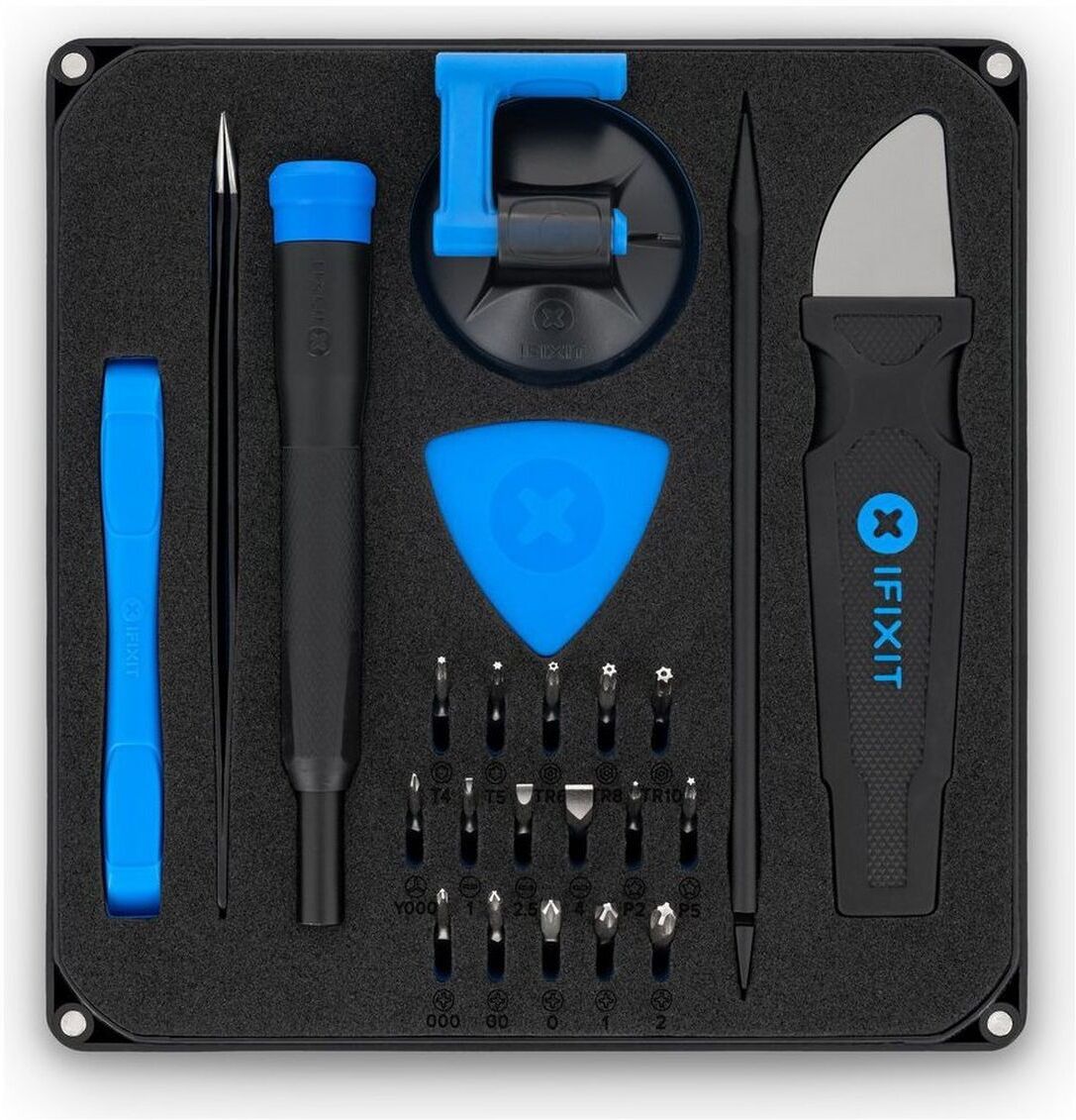
iFixit Essential Electronics ToolkitThe iFixit Essential Electronics Toolkit is a compact starter repair kit for phones, tablets, laptops, game consoles and other small electronics. It includes a precision bit driver with 16 precision bits plus the basic opening and prying tools needed for common repairs such as screen and battery replacements.40,99 £*Shipping: 0,00 £Secure redirect to the provider
-
HARPERCOLLINS Creative Confidence by Tom & David Kelley – Unleashing Your Creative Potential & Innovation MindsetA powerful and inspiring book from the founders of IDEO, the award-winning design firm, on unleashing the creativity that lies within each and every one of us. Too often, companies and individuals assume that creativity and innovation are the domain of the ‘creative types’. But two of the foremost experts in innovation, design and creativity on the planet show us that each and every one of us is creative. In an entertaining and inspiring narrative that draws on countless stories from their work at IDEO, and with many of the world's top companies and design firms, David and Tom Kelley identify the principles and strategies that will allow us to tap into our creative potential in our work lives, and in our personal lives, allow us to think outside the box in terms of how we approach and solve problems. ‘Creative Confidence’ is a book that will help each of us be more productive and successful in our lives and in our careers.4,95 £*Shipping: 1,99 £Secure redirect to the provider
-
How can one etch metal or plastic with acid?
To etch metal or plastic with acid, one can start by creating a design or pattern on the surface using a resist material such as wax, tape, or a special etching resist. The resist material will protect the areas that are not meant to be etched. Next, the metal or plastic piece is submerged in an acid solution, such as ferric chloride for metal or hydrochloric acid for plastic, for a specific amount of time. The acid will eat away at the exposed areas, creating the desired design. Finally, the resist material is removed, and the piece is cleaned to reveal the etched design. **
-
What are the best acids to etch steel-hard materials?
The best acids to etch steel-hard materials are strong mineral acids such as hydrochloric acid (HCl) and sulfuric acid (H2SO4). These acids are highly corrosive and can effectively etch hard materials like steel due to their ability to break down the surface of the material. It is important to use these acids with caution and proper safety measures as they can be hazardous to handle. Additionally, a controlled etching process is essential to achieve the desired results without damaging the material. **
-
Can iron(III) chloride also be used to etch steel?
Yes, iron(III) chloride can also be used to etch steel. It is commonly used in the metalworking industry as an etchant for steel and other metals. The solution of iron(III) chloride reacts with the surface of the steel, creating a roughened texture that can be used for various purposes such as creating a matte finish or preparing the surface for further processing like painting or coating. However, it is important to handle iron(III) chloride with care as it is a corrosive and potentially hazardous chemical. **
-
How to use distilled water to develop and etch circuit boards?
To use distilled water to develop and etch circuit boards, first mix a solution of distilled water and a developer chemical such as sodium hydroxide or sodium metasilicate. Place the circuit board in the solution and agitate gently to remove the unwanted copper. Rinse the board with distilled water to stop the etching process. Finally, dry the board thoroughly before further processing or soldering components onto it. **
* All prices are inclusive of VAT and, if applicable, plus shipping costs. The offer information is based on the details provided by the respective shop and is updated through automated processes. Real-time updates do not occur, so deviations can occur in individual cases. ** Note: Parts of this content were created by AI.